Posted by: Fr Chris | June 11, 2023

Follow Me: Matthew 4

When I went to Catholic school, we studied the Baltimore Catechism. This was the standard catechism from 1885 until the 1970s, and was based on one written back in 1614 by Saint Robert Bellarmine, and done in a question and answer format so that one could memorize the basics easily. One of the first questions we learned was Number 6: Why did God make you? God made me to know Him, to love Him, and serve Him in this life, and to be happy with Him in the next.
Last Sunday we commemorated All Saints, that is all the people who responded to the grace of the Holy Spirit in their lives and have achieved our eternal goal of living in glory with God.

Today we see the first men who answered the direct call of Jesus. To whom did He go? He went out into His own country of Galilee, not to Jerusalem the holy city, not into the hill country of Judea, not out into the desert, the land of prophets. He did  not go into the wild country where the Zealot rebels had their soldiers. Jesus did not go looking for those who felt that they were oppressed and exploited or bitter over their situation.

He did not collect rebels, or spiritual fanatics, or the clergy, or the angry. His revolution was going to be a spiritual one, a proclamation of God’s love for the Jewish people first, and then for all nations. He recruited Jews from the region called “heathen Galilee” who lived alongside Greeks, Canaanites, Romans, and Syrians, who knew the pagan world while followi

Jesus goes to men who are successful in their trade, who knew hard work, probably a mix of blue-collar and middle-class men of today, men who were independent, who had their own businesses. These are the first ones he calls.

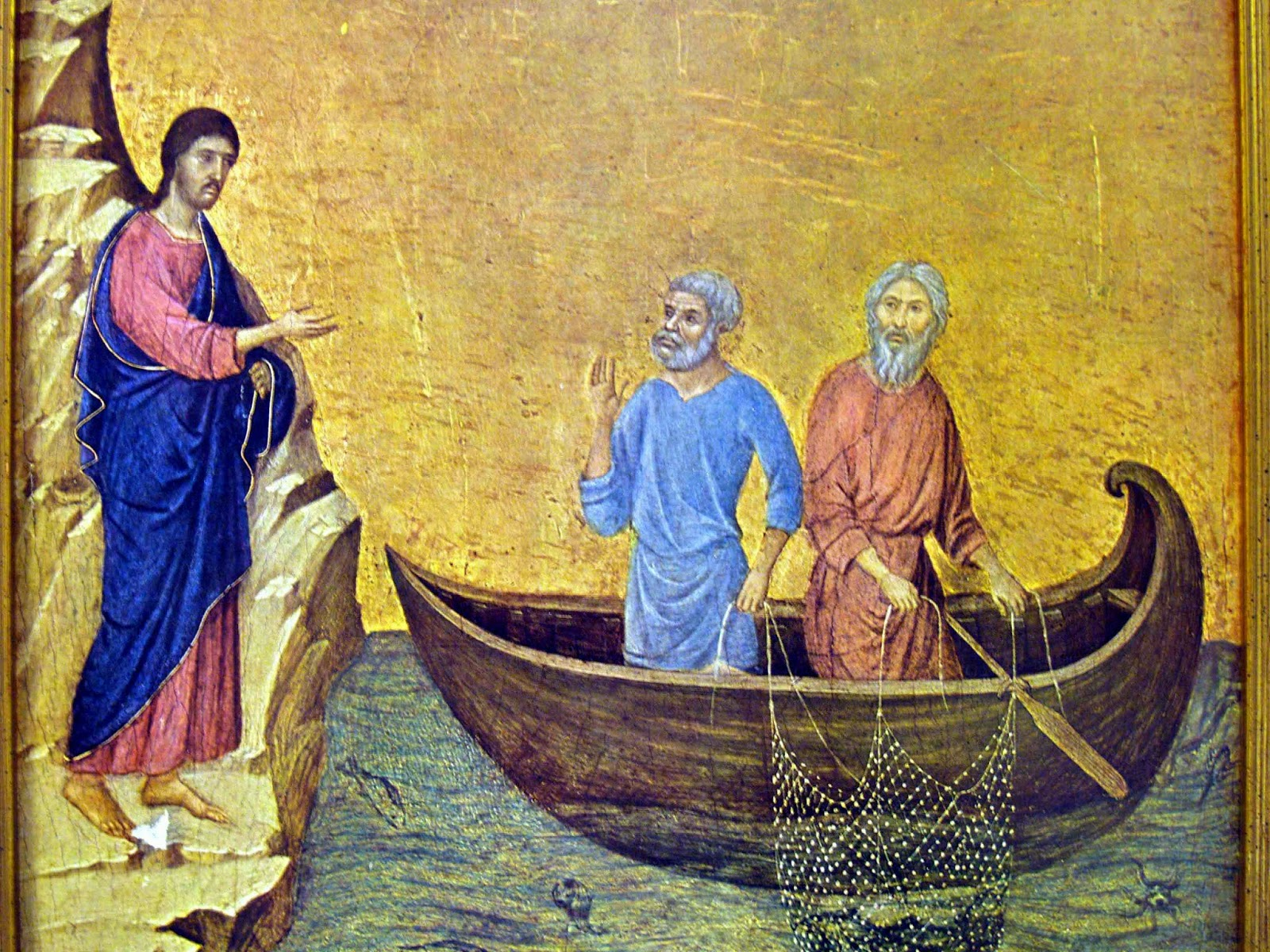
Notice He doesn’t go after them in their houses, or sitting on the beach at the end of the day. They are throwing their nets into the water – Andrew who we know was a disciple of John the Baptist, and his brother Peter. Jesus uses His sense of humor, telling the fishermen that if they follow Him, he will turn them from fishermen into fishers of men.  Two thousand years later, we still use the speech of the fishermen of the lake, and the instruments of their craft, as part of the vocabulary of Christianity.
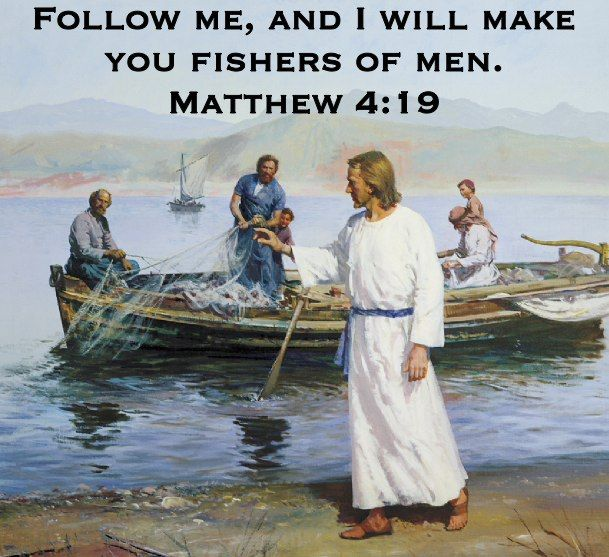
Then he goes from two mature men, to two teenagers, James and John, who are also at work, fixing the nets of their father. Not only do these two immediately get up and follow the Lord, but soon their mother Salome will do the same thing. I have always wondered what their father Zebedee thought about his family following after this wandering teacher, how did Peter’s wife and children react to him disappearing to walk in the footsteps of an unknown rabbi from Nazareth.
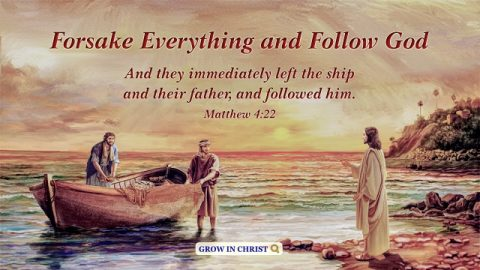
            These are all regular people, people who worked hard, prayed in the local synagogue, had relatives and friends. They were people who were happy, who got sick, who had their own personal happiness and sorrows. They were a mix of ages, and would form a mixed company of men and women. Each time that Jesus calls the apostles, the Gospels say that they got up and followed Him. There was no debating, no agonizing, no scenes of going to say goodbye to relatives. Rather they get up and follow – Matthew says that all four men got up immediately and left everything.

            Christ calls us. He does not call us to do something spectacular, He is not here saying get up now, abandon your spouse, your children, your parents, your friends, your income. But He is saying Follow Me. He says it with love, with humor, with compassion, but He says it, and He directs it to each and every one of us.

Saint Paul writes in his epistle to the first generation of Christians in Rome about pagans who responded to the inspiration of the Holy Spirit, what we call in theology the natural law. When Gentiles, who do not possess the law, do instinctively what the law requires, these, though not having the law, are a law to themselves. 15 They show that what the law requires is written on their hearts, to which their own conscience also bears witness.

These are the people who know intrinsically what is right, and what is wrong. These are the elements of basic humanity that are enshrined in cultures around the world – you don’t murder, you protect pregnant women and their babies, you help poor people and sick people and frail people and you don’t go around encouraging suicide. Natural law commands that the rich and the powerful exercise charity on behalf of others, and respond to the needs of others.

            Christ asked those four fishermen, and the other men and women who would follow Him for three years, to give of themselves. He demanded more than the natural law did, because He came with the command to love one another, to see each other as worthy and demanding of love, to love as God the Father loves. He commanded those men and women to proclaim the good news to the entire world, so that every person on the face of the earth, in every generation, will have the opportunity to respond to the Holy Spirit and become a saint. We are invited by Jesus to follow Him, to proclaim Him, to love Him above everything else. If we do this, we are offered one thing – eternal life with Him, His Father, His Spirit, and with all the saints.

Why did God make you? God made me to know Him, to love Him, and serve Him in this life, and to be happy with Him in the next.

Let us fervently ask Him in this Liturgy for the grace to do precisely that.
Posted by: Fr Chris | May 29, 2023

PENTECOST SUNDAY – The Holy Spirit and us

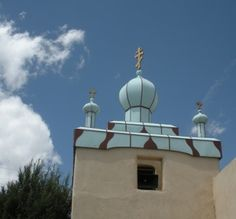
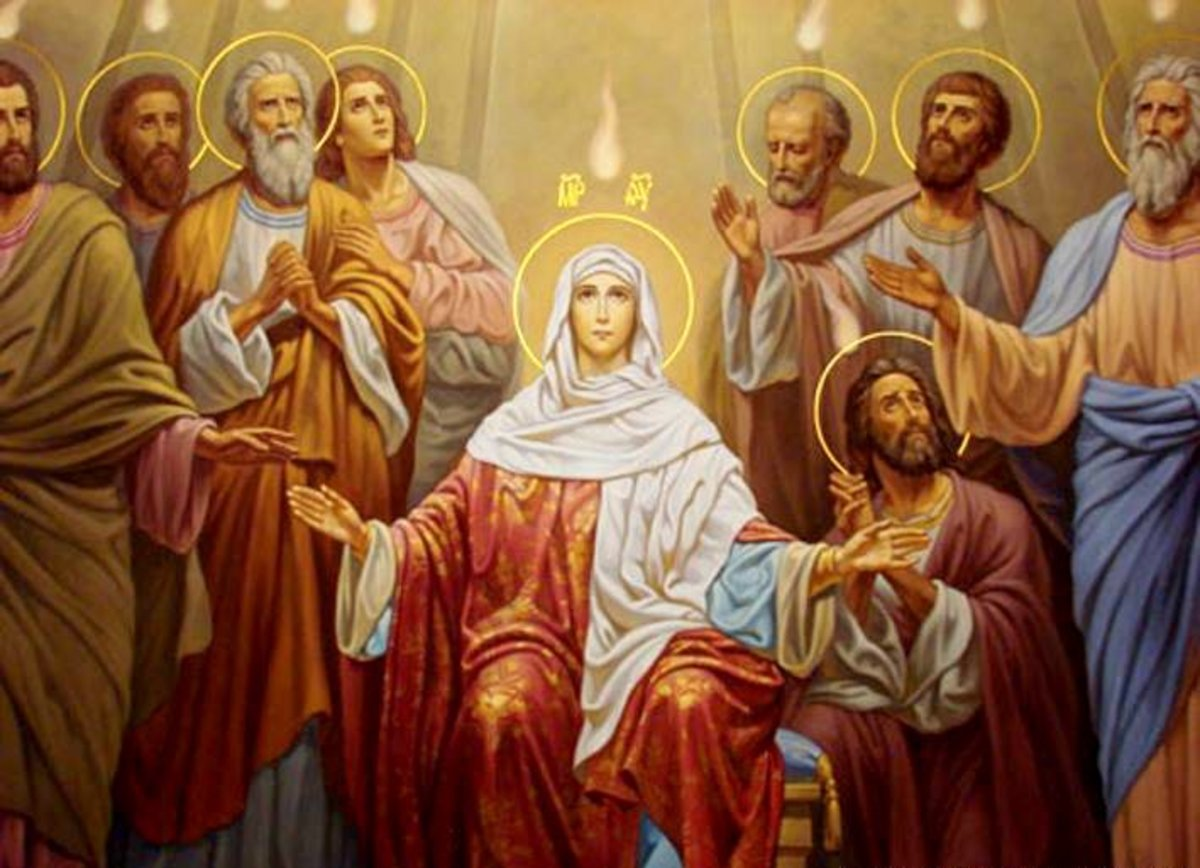
 Scripture tells us that at nine o’clock in the morning on that Pentecost day, 50 days after the first Easter, there appeared many tongues as of fire, being carried above the heads of the Virgin Mary, the apostles, and the disciples who were gathered together to pray. The onion domes atop our church and on the tabernacle represent these very flames of the Holy Spirit – the parish community, is supposed to be on fire, in the power of that Spirit. We are meant to be a community that lives out the law of God in our hearts, in our actions, in our words, in our prayers, in our thoughts. Why fire? Why didn’t the Spirit come in the form of a dove, as at the baptism of Jesus in the Jordan?  

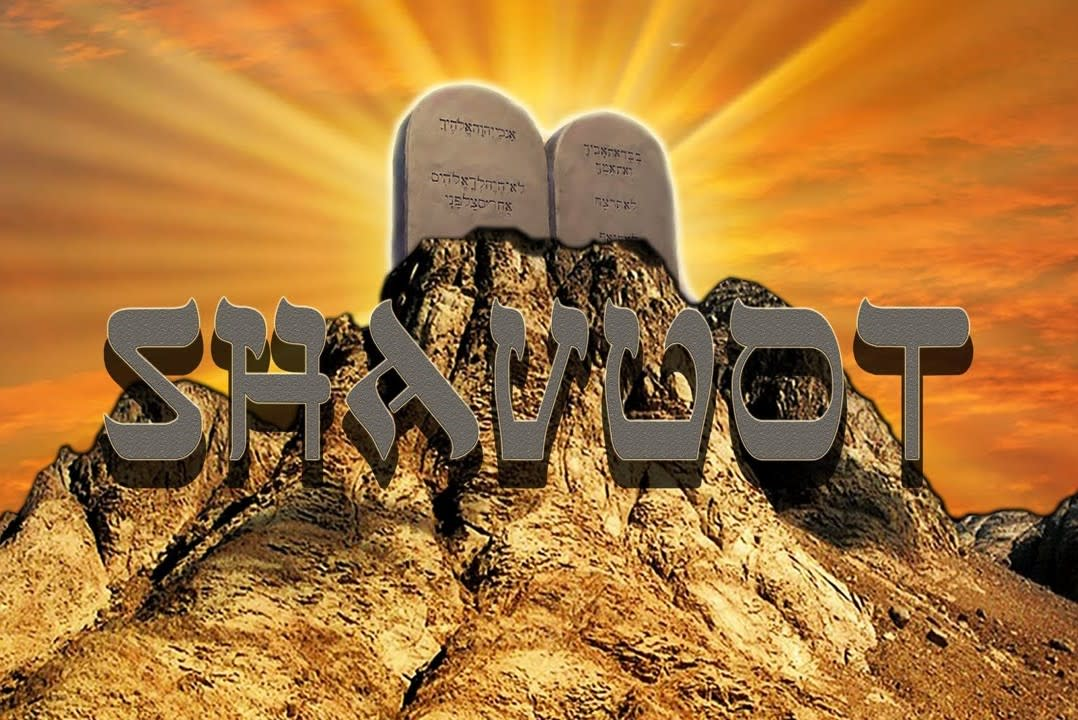
The Jewish feast of Pentecost, or Shavout, is a four-day feast also known as the “Feast of Weeks,” and takes place 50 days after the Passover. Passover and Shavout are intimately connected. Passover is the deliverance of the Israelites from slavery in Egypt. Shavout commemorates the end of that initial stage of Israel’s journey out of Egypt, and their deliverance from idolatry, when Moses brought them to Mt. Sinai and gave the people the Ten Commandments, written by the hand of God, proclaimed to Moses by the Eternal Word of God, that Word which became incarnate in the Virgin Mary by the power of the Holy Spirit as we proclaim in the Creed.

The Law told the Israelites how they would live as a unique people, worshipping only one God and professing that their God was the only God for the entire human race. Passover celebrated their freedom from bondage, while Shavout celebrated the new covenant formed between God and Israel. It is a reminder that they were freed for something: to be God’s holy people, a royal priesthood, a light to the nations.

When Moses went up to Sinai in Exodus chapter 19, 16 On the morning of the third day there was thunder and lightning, as well as a thick cloud on the mountain, and a blast of a trumpet so loud that all the people who were in the camp trembled. 17 Moses brought the people out of the camp to meet God. They took their stand at the foot of the mountain. 18 Now Mount Sinai was wrapped in smoke, because the Lord had descended upon it in fire”. That’s why the Spirit descended on Pentecost morning in the form of tongues of fire and why we have onion domes atop our churches –

the fire that once touched Sinai to reveal God’s law, the fire that spoke once only to Moses, now descends on all of the men and women gathered in the upper room, to set them on fire for God’s new revelation, the fulfillment of the Law, the fulfillment of God’s plan, in the proclaiming of the New Covenant, first to the Jews, then to the Gentiles of the world. Jesus fulfilled the Law by His death and resurrection, as the true Lamb of God (John 1:29). Jesus’ death on the cross took place just prior to the beginning of the Passover, when the Passover lambs were being slain. In his crucifixion, Jesus is both victim and priest, offering Himself in atonement for our sins. One chief purpose of the Law of Moses was to provide the people of Israel ways to make reparation for their sins.  Yet, as St. Paul points out in the Letter to the Romans, the sacrifices of the Law could not justify us. Jesus’ self-sacrificial offering, however, is infinitely perfect and we are justified through his Cross.

Jesus fulfills the Law by offering Himself as the pure sacrifice by which a new and eternal covenant (Jeremiah 31:31, 32:40) would be made between humanity and God. This new covenant is sealed not only with Jesus’ death, but with His resurrection, which shows that sin and death have been conquered, and that eternal life is offered to us. 

The first Pentecost brought thousands to faith in Christ, Jews who spoke multiple languages, who each heard the good news proclaimed by Saint Peter and the disciples  in their own languages; the Spirit that descended at Babel to scatter people now unites them. People were in Jerusalem from every part of the Roman and Persian empires, and probably beyond. That stormy noise from heaven brought the curious to the house, but Peter’s sermon brought people from all walks of life into the new faith. We teach that we have the fullness of God’s revelation, given to the Catholic Church. We have access to this once and final revelation entrusted to our Church, entrusted to each of us through the holy mysteries of baptism and chrismation. We are fed through the Holy Eucharist, we are forgiven our faults through confession, we are healed through the mystery of anointing. We have the opportunity, like the apostles, to encounter Christ through these sacred mysteries, to be transformed by Jesus Christ through our personal and liturgical prayers.

Pope Benedict XVI wrote that being a Christian is not the result of an ethical choice or a lofty idea, but the encounter with an event, a person, which gives life a new horizon and a decisive direction.” We are his disciples; we are entrusted with the mission and message of the gospel. The Holy Spirit can help us speak well, witness well, to the people around us, to bring them to faith in the Church of Jesus Christ.

Pentecost launched the Catholic Church into the world, proclaiming the Good News through the words of the very man who had denied Jesus three times in the courtyard of the high priest. Within two generations, Christianity was firmly entrenched across the Middle East, Italy, North Africa, Spain, France, most of the Middle East and into Iran and India.

The world then was pagan, worshipping many gods, Much of what used to be considered the Christian world now is losing its way, and it needs disciples, people who are on fire with the Holy Spirit. God has raised up multiple people in our time to inspire us to go forward, in faith and love for Him. Carlo Acutis ( https://en.wikipedia.org/wiki/Carlo_Acutis ) was 15 when he died of leukemia, but his example and computer work set people on fire today. Luigi and Maria Quattrocchi https://en.wikipedia.org/wiki/Luigi_Beltrame_Quattrocchi_and_Maria_Corsini

were the first married couple to be beatified together, and saved their daughter from dying in an abortion.

The Brazilian Guido Schäffer 

https://www.catholicherald.com/article/global/a-surfing-saint-pope-francis-recognizes-the-heroic-virtue-of-guido-schaffer/

was a medical student and surfer who led other young men to Christ. We are blessed with a new cloud of witnesses, and we are called to imitate them in faith, by opening ourselves to personally meeting Christ in worship, in prayer, in the sacraments, in our reading and study.

Disciples today need to experience once again, or for the first time, this encounter. The Byzantine rite prays in the way that it does today to inspire the faithful to be open to the action of the Holy Spirit, to be open to that personal encounter, to be open to being missionaries, to be open to growing in faith. May we have a blessed Pentecost, and blessed lives, and be on fire always for Christ and His holy Church.

Posted by: Fr Chris | April 29, 2023

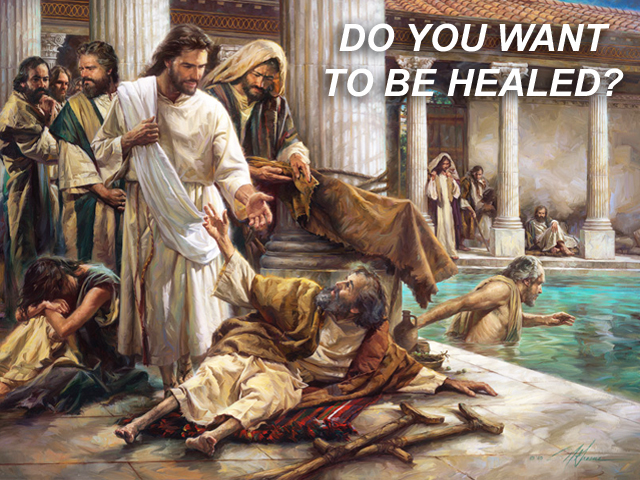
Do you want to be healed?

Sunday of the Paralytic Man John 5:1-15

This crippled man after 38 years of waiting probably had no patient helpers left. He was degraded, weak and isolated. His condition was helpless, hopeless. For Jesus nothing is impossible if he is approached in faith. And it was the Lord’s habit to seek out the rejected and to approach them with merciful concern. This was what had inspired Tabitha in the reading from the Acts of the Apostles to conduct her own merciful activities: this was the early tradition of the Church, that Jesus did good, changed things by merciful action.

Do you want to be healed?’ Jesus asks.

Locked in his isolation and misery, the paralytic needed such a shock. He excuses his inertia by saying that no-one is available to help him. Jesus ignores the excuse. He gives the paralytic his big chance.

‘Get up, pick up your sleeping mat and walk.’’ Jesus was fulfilling the prophets of the law; and the gospel suggests this in several ways. The 38 years in which the man had been waiting for a cure reminds us of the 38 years in which the Israelites had wandered in the wilderness (Deuteronomy 2:14). And the length of time we had traveled from Kadesh-barnea until we crossed the Wadi Zered was thirty-eight years, until the entire generation of warriors had perished from the camp, as the Lord had sworn concerning them. After that generation died, then and only then could Israel enter the Promised Land under the leadership of a new prophet, Joshua. Now with the true prophet, the true messiah, this man, who has been waiting just as long for deliverance, will find not only physical healing, he will be restored to the people of Israel, and introduced to Christ, the fulfillment of the Jewish faith. Remember that most Jews of the time period saw illness, and especially chronic long-term sickness like paralysis, as a punishment from God. People who were suffering like that were cut off from the nation – by being cured, by listening to Jesus, by picking up his mat and walking despite it being a sabbath, this man is showing his full restoration to Israel and his new place with God in the community of faith.

Do we want to be changed? Do we want to make a deep division between our old life and our new possibilities? Do we have faith? Christianity emphasizes Synergia –that is, spiritual synergy, the co-operation between ourselves and God. His grace cannot heal us unless we want to be healed, to be changed. Sometimes this is a very abrupt experience. The cure of the paralytic takes place on the Sabbath.

Do you want to be healed?  His grace cannot heal us unless we want to be healed; and being healed may take us very far from familiar things, to something new and demanding.

The pool of Bethesda, John says, was in a building with 5 porticos. Commentators who rejected the authenticity of the gospels used this as an example of supposed biblical error, since having an ancient building with an odd number of porches was considered to be impossible. But then archaeologists discovered the pool in the late 1800s, with its five porches, and it was realized that there were five as a reference to the Pentateuch – the first five books of the Old Testament.

The pool itself we know was a double pool – a reservoir that poured into the lower pool, where the sick would go, but that lower pool also served as a mikveh, a pool for ritual cleansing. So, it was a place for the healing of both soul and body.

‘Do you want to be healed?’

In his sermon for this Sunday, St. John Chrysostom posed a similar challenge to his congregation in 4th-century Constantinople. He wrote that after the celebrations and joy of the Easter worship, there is a great stir, a great burst of activity, crowds of people enter the churches. There are wonderful services, vigils and hymn-singing. What comes of all this? What is achieved? Not as much as should be, I say, for many come simply out of curiosity and vanity. Pascha goes, activity abates, excitement subsides, and then there sets in the indolence which speaks of much fruitlessness.

What was he saying? He was giving a warning: Indolence equals laziness.

The same for us now. Lent is a time of conversion, movement of the soul, confessions, penances, fasting. But the paschal season is a time of what? Joyful liturgies, pretty much eat anything, no special weekday services, abstinence from meat on Fridays, but what else?

This Wednesday shows us exactly what should be happening. It is Mid-Pentecost – we will be marking 25 days from Pascha, and 25 days until Pentecost Sunday. The day is not called Mid-Pascha. It is Mid-Pentecost, halfway to Pentecost. The paschal season is a movement toward the coming of the Holy Spirit upon the disciples and apostles gathered in the upper room. Those men and women would be totally transformed by that descent, and the  missionary work of the Church would begin, a missionary work that continues today.

The paralytic is transformed by his encounter with Jesus. The same should be true now for each of us, that we should be transformed by our encounter with the Risen Christ. We may be sliding backwards, and be getting discouraged. We may have broken a bad habit, but now find ourselves tempted to return to it. We may feel that we are not healthy anymore, not praying as intensely as we did, not embracing our crosses and challenges. Evil still abounds in the world – the war goes on in Ukraine, communism remains rampant in China, bad people still do bad things. I may have given up smoking or pornography or swearing during Lent and now suddenly find myself tempted to go back to those sins.

Chrysostom warned his congregation that spiritual laziness comes after Easter, and we can suddenly become fruitless spiritually despite having a truly fruitful Lent. Christ comes before us, the baptized, just like he did before the paralytic, and he asks each of us, ‘Do you want to be healed?’ Our answer of course, is Yes.

The paschal cycle of readings from Saint John and the Acts of the Apostles was devised to instruct the newly baptized converts, but also to strengthen the faith of the longtime baptized. The readings from the Acts, like today, show that the work of the Lord continued in the early Church, with cures of the sick, and raising of the dead, and conversions. Saul became Paul; Jewish priests became Christian priests; Jewish believers came to belief in the risen Lord as both messiah and Son of God.

The same is true today – the work of the Church as the Body of Christ continues: people are converted to the faith, believers who were lazy in faith become fervent in faith; people who were physically or spiritually sick still find healing, demons are expelled from those who are possessed, spiritual fervor still takes root in souls, the work of the Holy Spirit continues to show itself.

Christ will always be asking each of us, ‘Do you want to be healed?’ And sadly, there will always be a need to be healed of something as we progress through the stages of the spiritual life. There will always be difficult people popping up in our lives; there will always be international crises led by leaders who are not focused at all on bringing souls closer to God but rather achieving power for themselves or their countries or both; there will always be people who reject God and do the works of Satan instead the works of the Holy Spirit.

But we as Christian believers, we as Catholics entrusted with the fullness of revelation, we as people of faith, should always be looking to say yes to Jesus when he comes into our lives and asks, Do you want to be healed? We have 28 days until Pentecost – if we are having a good paschal season, then let’s build on that to go forward. If it is a fruitless paschal season, let us take the opportunity to get going again. The man had to acknowledge that he wanted to get better, and the Lord poured his grace into him. Let us be eager to work out that spiritual synergy with God, and once again step forward as warriors of Christ, ready to fight off sin and temptation and darkness, and go forward in the power of the risen Lord, wanting to be changed by the Holy Spirit and transformed by the power of God once more. Christ is risen!

Posted by: Fr Chris | April 11, 2023

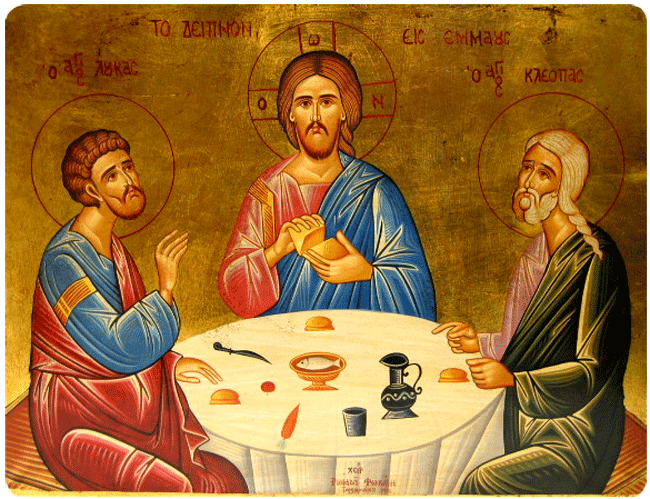
They recognized him in the breaking of the bread

This is an interesting incident in the gospels on several levels. It shows Christ’s great patience, the centrality of the Eucharist, and also a bit about Jesus’ sense of humor.

For the sense of humor, that we rarely think about, consider this: for a distance of 7 miles, Jesus walks with these two disciples, concealing who he is, when he could have just said, Hey fellows, it’s me. Instead,  he shows up, and deliberately conceals himself. Partly this is so that he can unpack the scriptures to them and slowly reveal the mystery of the suffering servant to them; but partly I do think he rather enjoyed appearing in locked rooms, popping in and out of the lives of the disciples in over a dozen recorded resurrection appearances, and hiding his identity from these two.

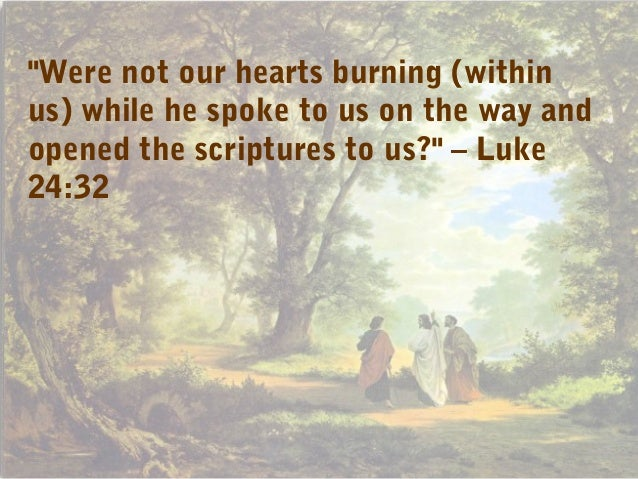
His patience with us is enormous: Jesus walks with Cleophas and the other disciple to Emmaus – 7 miles. It would have taken about two and a half hours to make the trip, and he spent the whole time explaining the writings of the prophets and psalms to them, how the coming and suffering of the messiah was predicted over the centuries. By the same token, he walks with us spiritually here today, as we slowly continue to overcome doubts or as we slowly absorb the teachings of the bible and the Church. He is willing to take his time with us and walk with us. Their hearts were on fire – they went from being confused about what had happened on Sunday, to being on fire again as they understood that the messiah had to suffer, had to die, had to be buried, and now is raised again on the third day. They are hungry to learn more, as they insist that he must stay with them.

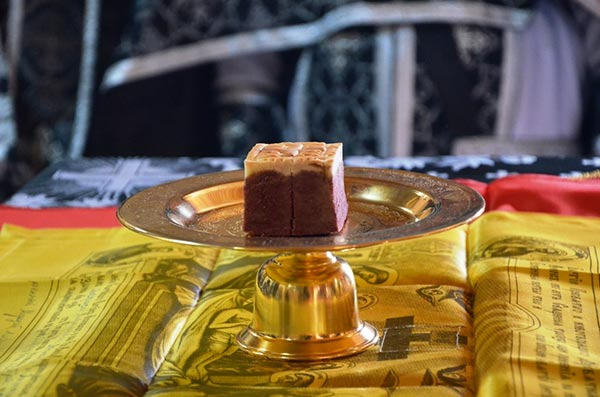
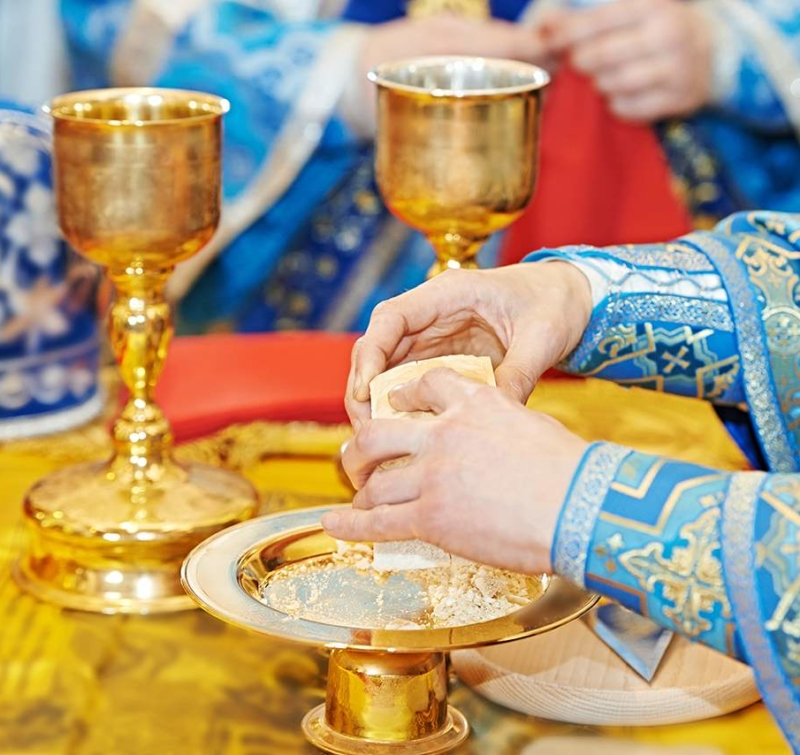
Seven miles is a long walk – probably it took them two and a half to three hours to reach Emmaus, maybe longer. But they finally arrive, and when does Jesus fully reveal himself to them? It is this marvelous phrase that Luke uses: in the breaking of the bread. He carefully repeats the words and ritual used at the Last Supper, and then they know who he is. His body, soul, humanity, divinity were made present in that breaking of the bread and he revealed himself completely, then disappeared from their sight. But their hearts were still on fire, now invigorated by the reception of that consecrated bread.

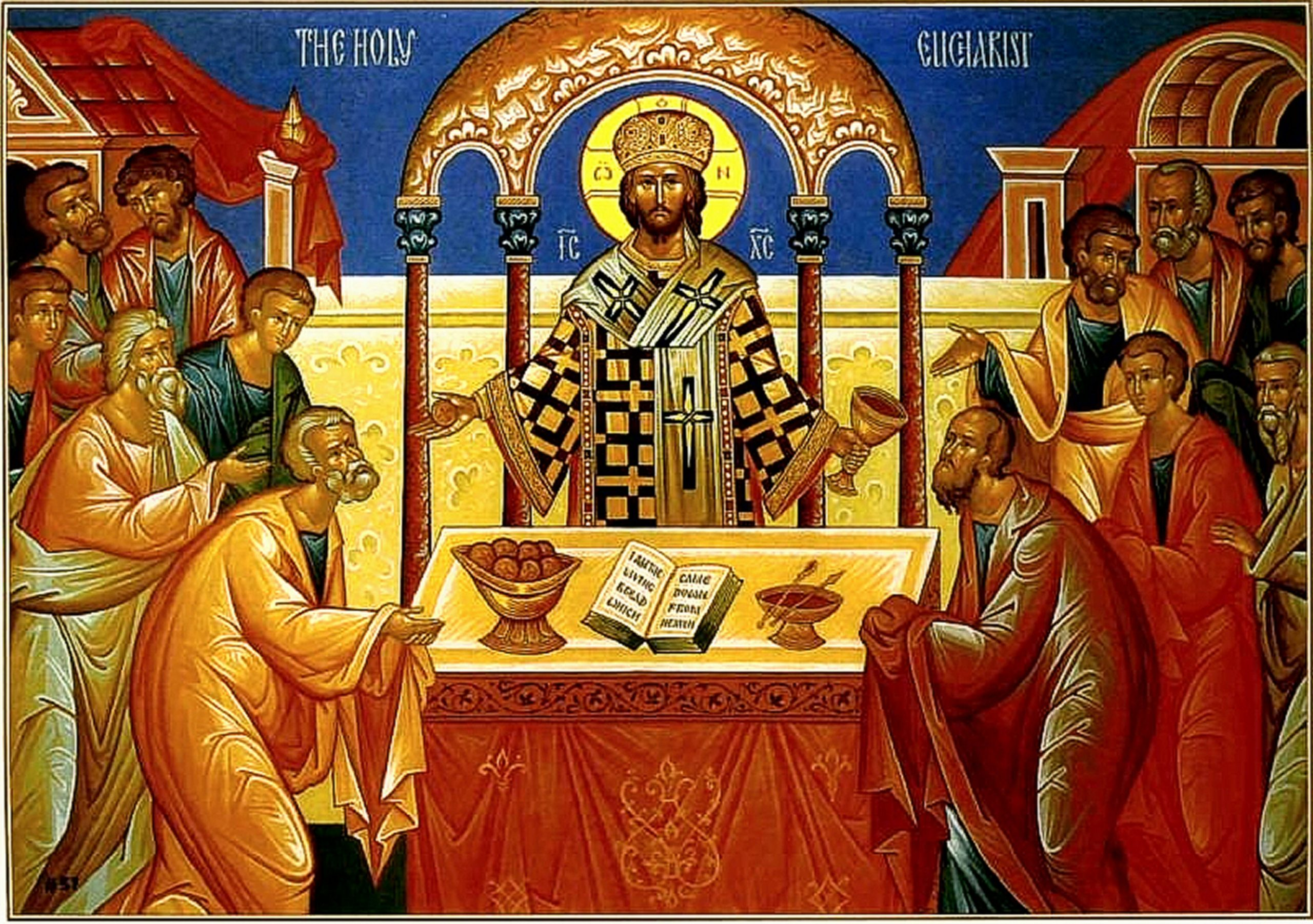
The holy Eucharist is made for us, given for us, presented for us, so that our hearts will be on fire. The liturgy prepares us for what is coming, just as Jesus prepared the two disciples with patient instruction. The early Church always saw this moment as a confirmation of the Eucharist, and rejoiced in the gracious love of the Lord for us. This is how the Lord stays with us – we don’t need his physical presence anymore. He rooted the disciples in scripture, he rooted them in love and service, but above all he rooted thm in the breaking of the bread and the awareness that he was with them always.

Let us ask him today, on this day of Emmaus, for the gift of recognizing him in this holy Eucharist. Let us rejoice in the gift of the Most Blessed Sacrament reserved in our churches. Let us above all live with fire in our hearts, fed by this Eucharist and nurtured in the bible and the teachings of the Catholic Church founded by our Lord on the rock of Peter, and be a people rooted in the power of the Risen Christ.

Posted by: Fr Chris | April 7, 2023

Paradoxes of Holy Thursday

Today is a day of paradoxes: the Eternal Word of God is a servant; he who cannot be contained by the universe descends into bread and wine; the apostle who was given the body and blood of the Lord sells him for a few coins. Christ serves as the humblest, most worthless slave by washing the feet of the apostles. In the Cathedral Vespers we hear this verse: He who wraps the heavens with clouds now girds himself with a towel; he who once divided the Red Sea now pours water into a basin, and kneeling before them, he begins to wash the feet of the disciples.

This same humble Lord then proceeds to pour himself out in the institution of the Eucharist and the priesthood, conferring his ability to transform bread and wine into his living Body and Blood to the twelve, including Judas who will walk out of the room with that Body and Blood inside him, so as to betray the Lord for the cost of a cheap slave, the price of turning in a thief to the police.

He who gave of himself in the Eucharist, will soon, as we hear in the prophet Isaiah, chapter 50, offer his back to those who beat him, his cheeks to those who pulled out his beard; he will not hide his face from mocking and spitting.

We hear in the first letter to the Corinthians,  chapter 11, that Jesus took the bread and broke it and said, “This is my body, which is for you; do this in remembrance of me.” 25 In the same way, after supper he took the cup, saying, “This cup is the new covenant in my blood; do this, whenever you drink it, in remembrance of me.”

Only 31% of American Catholics believe that Jesus is really and truly present in the Eucharist. Not even one-fifth of American Catholics now go to Sunday Mass every week. There is no hunger, no sense of starvation for Holy Communion. Ah, but we believe all this as people who come to a Byzantine Catholic church. We have no problem believing that. Do we? Do we really believe that the Eucharist is a great mystery, a powerful sacrament? And just what is it really? How do we explain our belief to non-Catholics who see it is a memorial meal, who say that Jesus did not mean that it really IS His Body?

Body – what did Jesus give? He would have said this word: BaSaR – His entire personhood, His living body. Blood – the blood he received from Our Lady, human blood, united to His divinity, POURED OUT as a sacrifice. When a host is changed into flesh, when a host gives off blood, and those elements are subjected to scientific tests, the results are always, always, the same – the Church has allowed scientists to test Eucharistic miracles from Lanciano in the eighth century and Argentina in the twenty-first century. The results are always the same: the flesh is alive, from a bruised heart, a heart that shows signs of terrible trauma and suffering, from the left ventricle, the ventricle that pushes out purified blood into the body. The blood is always AB blood, the blood type of Jewish men from first-century Palestine, the blood that is used for plasma for the healing of burns and wounds, pumped in a purified form from that Sacred Heart that has so loved us, as Jesus revealed to St. Margaret Mary Alacoque.

ZiKKaRoN – the bible was not written in English! Jesus did not speak in English! He did not say, remember me as somebody from the distant past. He used Hebrew and Aramaic – ZKKRN means to make real, NOT remember. When the Jews celebrated Passover this week, they did not say, “Why was this night different from other nights?” They say why IS this night different from other nights? They are THERE, in Egypt, in the darkness of slavery, waiting for the angel of death to pass over each Israelite house marked with the blood of the lamb. We, the spiritual and theological heirs of Judaism, are at the Last Supper, at Calvary, at the Resurrection. ZKKRN means to make the event real – do this in ZKKRN of me: Make Me Real: I will be there when you do.

Judas did not allow Christ to change him from his path of betraying the Lord. The Apostles themselves did not let the reception of the Eucharist transform themselves at the moment of crisis in the garden of Gethsemane. We must let Christ into our hearts, to pierce through our attachment to sin, to stir us up out of indifference or spiritual laziness.

Yes, we recite the prayer of St John  Chrysostom before receiving Communion: O Lord, I believe and profess … But do we believe and profess this through our lives? do I let the power of Communion come into me and change me? If I am fed with the Body and Blood of the Lord, I can go forward, fortified with Him. His blood is healing, his body is strength, he who made heaven and earth can make a change in me, but only if I cooperate with the grace that he is pouring out on me, waiting to soak me with his abundant love that conquers all problems and fears.

All of the ancient liturgies of the Church build up to the great moment of the consecration of the gifts and distribution of those gifts in Holy Communion. And then the liturgies swiftly come to a close. An hour devoted to the buildup, and within fifteen minutes after Communion everyone can pack up and head out of the church. Why? Because we are filled with the living Body, with the healing Blood that can heal all spiritual and emotional wounds. We are each a living tabernacle, filled with the Holy Eucharist, with the most Blessed Sacrament. We are sent out into the world, to perform the liturgy after the divine liturgy, to change this broken world and hasten the in-breaking of the kingdom of God into time and so hasten His Second Coming.

Jesus gives one commandment, and he gives it at the Last Supper after he warns the apostles that his time is coming to an end.  He says in John 13:“Love one another. As I love you, so you also should love one another. This is how all will know that you are my disciples, if you have love for one another”. He later reiterates in chapter 15, “No one has greater love than this, to lay down one’s life for one’s friends”. We are his friends. In every celebration of the Divine Liturgy, we are his friends. Indeed, through the mystery of Baptism, we are his brothers and sisters, we are his children. Our Lady at the foot of the cross became our mother. We are a massive family, united with all Catholics around the world, who stand in the shadow of the cross but also at the door of the tomb, fed with the body of the Lord, washed in the blood of the true Lamb of God, the true Lamb of Passover. Tonight especially, let us rejoice in our union with Christ that we will experience through this holy mystery. Tonight especially let us ask with our whole heart that we be brave enough to let his body and blood transform our behaviors, our attitudes, our desires, so that we will walk alongside Him, our brother, our savior, our redeemer who willingly lay down his life for us, his friends.

Posted by: Fr Chris | April 5, 2023

Anointing and Conversion: Holy Wednesday

Two opposite events happen today: Jesus is anointed at Bethany, and Judas confirms his betrayal with the priests.

Either Mary of Bethany, or an anonymous woman, breaks open an expensive jar of ointment, anointing our Lord with a spice so powerful that John says its aroma filled the whole house. Judas is furious, since it was so expensive, that it was equal to a year’s salary. But the gospels put in the telling detail of course that Judas was the treasurer of the apostles who embezzled from them, so a year’s wages would have been quite an addition to the pot. Yet he betrays Christ for 30 pieces of silver, the cost of a cheap slave. Like the innocent Joseph who was sold into slavery centuries before by his jealous brothers, Jesus is sold for next to nothing.

Christ of course rebukes Judas for his comments, and affirms that the anointing is preparation for his burial. After all he has been warning the apostles that he would indeed be betrayed, turned over to the Sanhedrin, suffer, and die on the cross. In the various readings of this week, we read about those who prepare for the Lord and those who don’t, in the parable of the wise and foolish virgins. We read of innocents who suffered: Job, whose wife makes the infamous comment “Curse God and die!” and Joseph, who was sold by his own brothers into Egyptian slavery. Moses loses his position of wealth and power and has to go out into the desert. Jesus is also innocent, and is sold to the high priest by one of his apostles, one of Christ’s chosen ones loved by Jesus.

So now the challenge lies before us as we enter the Triduum, the three holiest days of the calendar. Am I prepared for Jesus or not? Am I wise or foolish? Am I willing to give of myself completely to Jesus, the way the woman who anoints him does? Or am I letting some of my sinful habits hold me back from being fully embraced by Jesus, from fully embracing Jesus myself? What path am I walking on?

Christ suffers in order to save the human race. He will establish the sacraments of the Eucharist and the priesthood tomorrow night. When he dies on the cross, his pierced heart will gush forth blood and water, representing baptism and the eucharist, and he will breathe out his last, representing the sacrament of chrismation/ confirmation. He gives of himself enormously, completely. Like Job and Joseph he is innocent, but their sufferings led to triumph: Job’s faith in God is rewarded with multiple blessings, and Joseph’s role in Egypt will save the new nation of Israel from dying of starvation. Moses lost his position of power in Egypt, but through God’s grace will lead Israel out of a land of slavery and idolatry into Sinai to meet God. Jesus in his innocence will do more than that, providing the way for the Church to be founded, born from his passion and death, in order to provide the human race with a path to salvation and deliverance from idolatry.

The mystery of anointing is given tonight in commemoration of Jesus’ anointing. It is for healing of soul and body, for the gift of new life through the power of God. In coming up to be anointed, let us ask the Lord for the grace to come through the Triduum well, to let go of our sins, and to be healed not only physically, but also of whatever is holding me back from God’s love. Unlike Judas, let us not hold on to what we know is sinful, but turn it over to God’s power and mercy.

Posted by: Fr Chris | April 3, 2023

Thoughts for the Passion

I have been “out of action” here throughout March because of an accident I had. The left front wheel of my power wheelchair popped off while I was going down our side street to the bus. Instead of heading to the gym, I was pitched off of the sidewalk landed in the street with the chair pinning me down. Since it weighs over 300 pounds, I was stuck. Two ladies stopped and, to their surprise and mine, were able to lift the chair off of me while the son of one retrieved the missing wheel.

I ended up having an interesting Lent, since my right ankle was torn up and the knee on my left leg got hurt, plus I was without a chair for two weeks. I have a “loaner” while I wait – and wait – for the $22,000 chair to get repaired. Sigh. By the grace of God and the help of some good people, especially our pastor Father Bubnevych, I was able to keep up with some obligations, but others had to be set aside. And I now have constant pain in my right ankle, which I really did not need. So I have had the ability to “offer up” a lot this Lent! I am putting below my short homily from the end of Great Lent, which in the Byzantine Rite concludes on the Friday before Palm Sunday.

We have reached the end of the forty days. Tomorrow Jesus arrives in Bethany and will go to the cemetery, to raise Lazarus from his grave four days after Lazarus’ death. Then of course on Sunday we will have the triumphal entry into Jerusalem, and all of the events of Holy Week, so as to lead us to the Resurrection of Christ.

I mentioned on Sunday that I have spent a lot of time contemplating and studying the Passion of Christ this year, because of talks that I have been giving during Lent. On Tuesday I am going over the passion again for the college students. One of the interesting things I came across is the meditations on the wound in the right side of Jesus’ body. This is where the spear entered him, and then tore through his body so as to pierce his sacred heart. Some of the ancient Christian writers saw this opening into the body of Jesus, leading directly into his heart, as being especially significant. The Song of Songs is a book that, at a surface level, is a love poem between husband and wife, lover and beloved. But on a deeper level, it is the dialogue between the soul and God, the true lover and true beloved. In chapter 2, the lover compares his beloved to the doves who find refuge in the cliffs of the mountains. God invites the soul to find refuge in Him –

O my dove, in the clefts of the rock,     

in the covert of the cliff, let me see your face,       

let me hear your voice;     

for your voice is sweet,      

and your face is lovely.

For some Eastern Fathers, Jesus’ tortured body is the cliff, His open wound is the cleft of the rock.

He WANTS to see my face, He WANTS to hear my voice, He proclaims that MY voice is sweet to Him, MY face is lovely to Him.

We are invited to enter into that bloody wound, through which the blood and water of Jesus’ heart gushed out, and find refuge. We are invited to discover our true love there, in His pierced, wounded, holy heart. The heart for the Jews was where the entire personhood of someone lived, so when Christ gushes out blood and water, the symbols of the eucharist and baptism, from that very spot, it is the opportunity for us to enter into the personhood of Jesus through the passage of the Roman centurion’s spear.

Christ invites  us into that spot because he DESIRES us. My face is lovely to him, my voice is sweet to him, and he wants to hear me.  When we receive the consecrated gifts in Holy Communion, to be especially aware of Jesus’ invitation to come close to him, to be with him, to be pulled into him. Let us be profoundly aware that he desires each one of us, no matter how old or young, no matter what we do in life or what we hope to do. That dissolved Precious Body under the form of consecrated bread will go throughout our entire bodies, lovingly, gently, touching and caressing, the Beloved to the Lover, through the power of the Eucharist.

Let us listen in the stillness of our own hearts to the voice of our beloved, who calls us to a special intimacy with him next week, to be pierced by his love, and to seek to be united to him for the rest of our time on earth through this great mystery of love. Christ is among us.

Posted by: Fr Chris | March 3, 2023

Rooted in the Eucharist

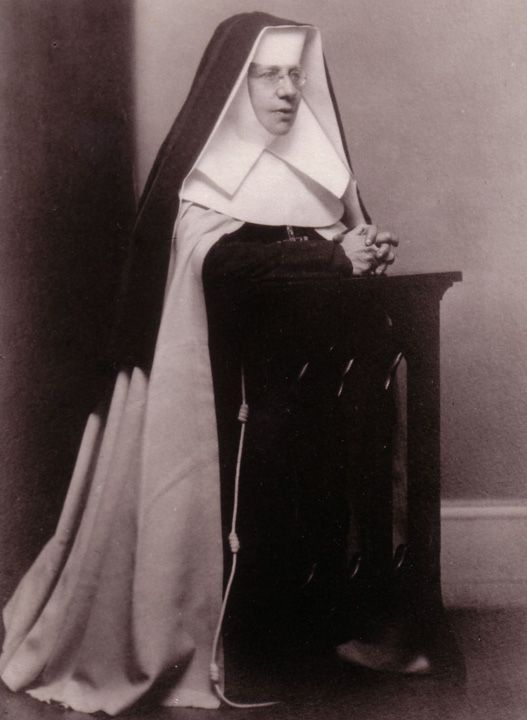
March 3 is feast day of Saint Katharine Drexel; she was born into a wealthy family in Philadelphia, steeped in the Catholic Faith. Her stepmother opened their mansion to the poor three days a week, her father spent every evening in prayer, and the estate was named for Saint Michael the Archangel. Every week she and her sisters worked with their stepmother to distribute rent money, clothing, medicine, and food to the poor of Philadelphia, and every day they had family devotions and study.

Katharine founded the Sisters of the Blessed Sacrament for Indians and Colored People so as to serve, educate, and evangelize among the two most discriminated-against populations of the United States at the time, the African-Americans and the Native American tribes. In our state, her congregation reopened Saint Catherine Indian School in Santa Fe and opened Saint Michael School in diocese of Gallup. She died in 1955 and was a canonized saint just twenty years later, because of both the witness of those who knew her for her holiness and charity, and the miracles God granted through her intercession.

Why spend time on her tonight? Besides being one of the few American saints, and having an impact in our own state, Saint Katharine could not have achieved that holiness without having learned it at home. Her father and stepmother were rooted in prayer, devotion to Our Blessed Lord in the Holy Eucharist, and recognized that the blessings of wealth that they brought into their family through their work was in order to them to help others, not to hold on to. The three girls of the Drexel family taught Sunday School in their parish, their family was close to their parish priests, and their aunt was a Sister of the Sacred Heart. Katharine’s sister and brother-in-law devoted themselves to founding and running a school in segregated Virginia that gave Black boys an education and prepared them for successful living, in defiance of the attitude that Blacks could not learn and could not work without control by White people. In other words, Katharine Drexel grew up in a Catholic family that was rooted in prayer, charity, and Catholic education for all. Those elements will make any family spiritually successful.

The Book of Proverbs that we read during Lent is set up as a book written by his father to his son, giving him the spiritual guidance and wisdom that every child is in need of. Each of us has to be rooted in prayer, each of us has to be rooted in searching for the wisdom of God, each of us has to be striving to make a parish that is rooted in the Holy Eucharist, charity, education, and love of God.

The Liturgy of the Presanctified is unique in the Byzantine Rite for one thing in particular: the procession of the Holy Gifts in absolute silence.

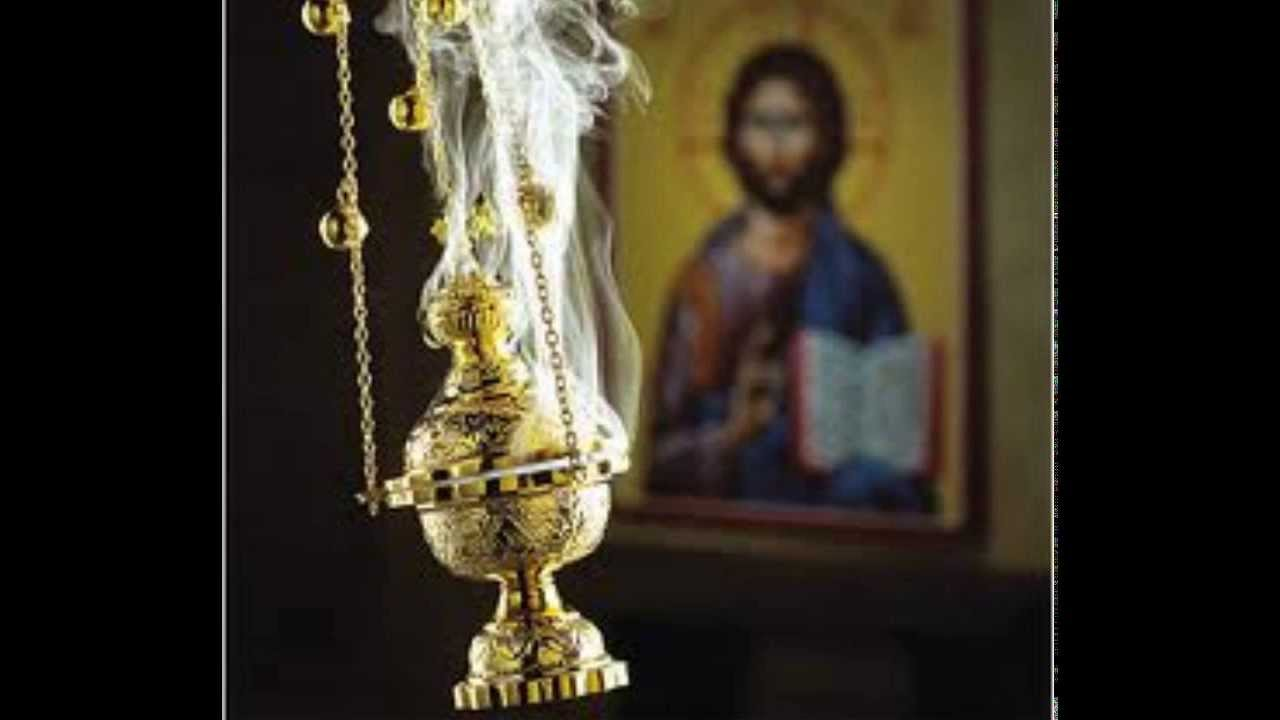
The celebrant carries the Presanctified Gifts, the Sacred Body and Blood of Jesus Christ, the Most Blessed Sacrament, the sacrament of all sacraments, in a silent procession around the church. There is no singing, no chant, simply the sound of the chains of the censer clinking against each other as a cloud of incense rises in honor of the Savior Who gave Himself at the Last Supper, Who gave Himself on the Cross, Who waits to give Himself to each of us in Holy Communion. It is the only service in the Byzantine tradition in which there is such stark silence. Not an empty silence, but a silence filled with awe, with worship, with reverence, and above all with the expectation of love and life.

Tonight, may we ask Our Lord in Holy Communion that we each allow ourselves to be rooted deep within His embrace. All of us need the gift of divine wisdom, all of us need to be people of charity, all of us need to grow in faith through study and reading, all of us need to be people of prayer. We can only do that if, like Katharine Drexel and her family, we strive to be a people of the Holy Eucharist who are caught up in the power, love, and glory of Christ Jesus.

Posted by: Fr Chris | February 11, 2023

The Last Judgment and Us – Meatfare Sunday

Matthew 25:31-46 The famous writer Leo Tolstoy tells this story: A shoemaker dreamed before Christmas Eve that our Lord, would be his guest the next day. But, warned Jesus,  Tonight I am going to visit your village. Look out for Me. I shall not say who I am.” All day he stayed in his shop, hoping to welcome Christ, and kiss his sacred wounds. Since he had no idea what size Jesus’ feet were, he decided to spend the day making his best shoes of all sizes.

He saw a young boy lighting the street lamps, who had no coat and was shivering, so the shoemaker wrapped him in his own blanket. Children came singing carols, and he gave them the tea he was saving for Christ. A widow and her children came along, so he gave them the soup he had  made for Christ. All the while he kept making pairs of shoes of different sizes, so as to give one pair to Jesus. But the Divine Guest never arrived. So he took all of the shoes to the local orphanage and put them next to the beds of the sleeping children. Then he went home, sad that Jesus had never come.

Then soft in the silence a voice he heard: “Lift up your heart for I kept my word.” He was of course, in the boy; the carolers; the widow and her family; the orphans.

We are commanded in the story, but even more so in Jesus’ own words today, that we must see Jesus in every single person we encounter. Each person alive is made in the image and likeness of God, whether or not we like them, whether or not they cut us off in traffic, or did better than us in our sport or class or job, whether or not they are dirty or clean, each person is Christ.

Outside of His parables, there are only three occasions when Christ explicitly speaks of the punishment of hell:

1. When people fail to perform works of mercy.

2. When adults corrupt children by bad example and serious scandal.

3. Whenever there is an unforgiving hatred of neighbor.

Jesus pulls no punches in his parables or his sermons. Why did people would travel for miles to see a man who told the truth bluntly, honestly, and openly condemned those who failed to obey God? Those folks were not that different from us, and the world they lived in was much like ours. They had families, jobs, goals in life; they all had hopes and dreams. But they also lived in a challenging fallen world.  The Sadducees and many of the temple clergy were corrupted by their cooperation with power and money. The Pharisees both attracted people by their piety and repelled them by their hypocrisy in overzealously enforcing hundreds of rules on every little aspect of life. Pagans worshipped the emperor, even though everyone knew he would get old and die. Like us, people worshipped their celebrities – we who foolishly adore rock stars, movie stars, athletic stars. Like us, they went to stadiums to cheer on their favorite teams, or wrestlers, or runners.

Huge crowds flocked to Jesus, walking for miles and miles, carrying their sick and possessed, hoping against hope that he would cure them. But they also walked for miles and miles, pagans and Jews, Greeks and Romans and Canaanites and, hoping to hear his words. They took comfort in his words, they were challenged by his words, they were converted by his words. And when the apostles went out after Pentecost, there was a harvest waiting for them among those who had been cured, those who had been delivered from demons, those whose loved ones had been saved, those who had heard Jesus’ words and gone home as changed men and women.

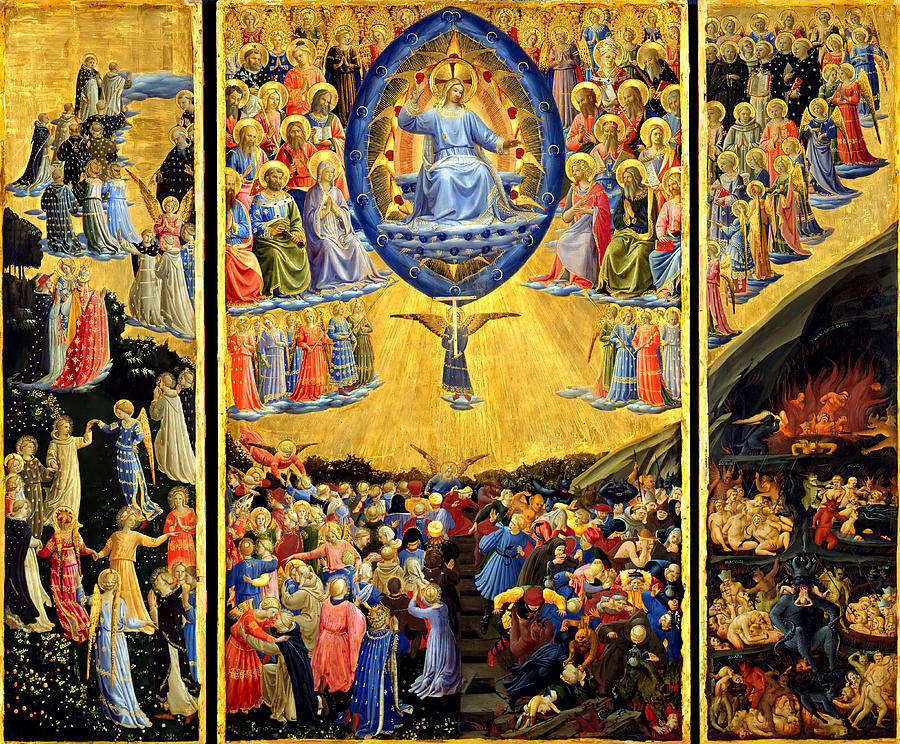
Today’s gospel proclaims that there will indeed be justice – this world plagued by injustice and tragedy and violence is not the world that God created. It is a world broken by sin. There will be a day when sin will get its comeuppance, and we will pay the penalty and earn the rewards. Those who lead the world astray through their public sins, through their endorsement of violence, through their constant acquiring of riches or power or both and who teach our young that power, wealth, and violence and the latest crazy fads are the only road to happiness will earn their reward at the end of time. And it will come. Time will end.

Why do we face east in our prayers?  Why do our priests still face the altar? Because like the first Christians, we wait for the Second Coming of Jesus Christ. We all stand together, with the pastor leading the congregation as the spiritual father. He lifts up his arms at “Lift up your hearts” to show that he is opening his own heart, waiting for the Coming of Christ. We wait for our judgment. We wait for our deliverance.

Jesus condemned those who failed to perform the corporal and spiritual works of mercy: Corporal: To feed the hungry; To give drink to the thirsty; To clothe the naked; To give shelter to those in need; To visit the sick; To ransom the captive; To bury the dead.  Spiritual:      To instruct the ignorant ; To counsel the doubtful ; To admonish sinners ; To bear wrongs patiently; To forgive offences willingly; To comfort the afflicted; To pray for the living and the dead.

Jesus condemned those who harmed children – something that a lot of Catholic bishops apparently forgot in the last 60 years.

Jesus condemned those who hated their neighbor – something which is forgotten by racists and those who foster prejudice and violence.

Far too many people who are in positions of power and influence, in church and in society in general, have abandoned the gospel. But right now the challenge is for us who continue to be churchgoers, who continue to be worshippers, who continue to hold to the Catholic faith to be a people of compassion, a people of peace, a people of faith, a people who seek to do the right thing at all times.

In the Matins this morning this verse is proclaimed: O my soul, if you fast, do not deceive your neighbor. If you abstain from food, do not judge others, lest you go to be burned like wax in the fire. So, today is Meatfare, traditionally the last day to eat meat before Lent begins – but if I am judging, hating, lying and failing to do works of mercy, there’s no point in giving up meat or dairy products or a meal – if I am not fasting from sin, then I am not truly fasting.  Unless I am like the shoemaker, who treats others as if they were Jesus Christ, I am failing in my duties as a Christian.

The Matins ends with this: O faithful let us purify ourselves by repentance, the queen of virtues. Behold it brings an abundance of blessings: it dresses the wounds of the passions; it reconciles sinners with the Master. No one who lives is  perfect and sinless. We are all in need of repenting for something, of letting go of a behavior, an attitude, of changing my life and stopping actions that I know are wrong. We can lie to ourselves, but we cannot lie to God. In the end, today’s service proclaims, we will be condemned not for the bad that we do, but for our failures to do good.

We must be converted like those crowds who heard Jesus in person. We hear his words in the gospel at every Divine Liturgy, at every celebration of the holy eucharist.  Like them, we must take comfort in his words, be challenged by his words, be converted by his words. Only through our conversion will this city and state be converted to Christ. Only through our prayers will there be workers to go to bring in the harvest of souls. There are people in our lives who need conversion and healing, who want conversion and healing, who long to have their spiritual and emotional and physical and psychological wounds healed. It is up to us to go out of here as changed men and women, to go to our schools, our home school groups, our jobs, our neighborhoods, our clubs as messengers of God’s compassion through our behaviors.

There will be a judgment day as to how charitable and merciful we have been – not only do we want to go to heaven, but we must also must want to be able to say that yes, I lived in such a way that I saw you, my dear Lord, in every person around me.

Christ is among us.

« Newer Posts - Older Posts »

Categories