There are a lot of legends about Saint George, who is the patron saint of soldiers, as well as the patronal saint for England, Georgian republic, and numerous other places. Today is also the day on which farm fields are blessed, and in the Carpathian Mountain region where our Church has its origins, this is the day when herds are moved into the pastures after a long winter stuck in barns. George is seen as a protector of livestock and domestic animals.
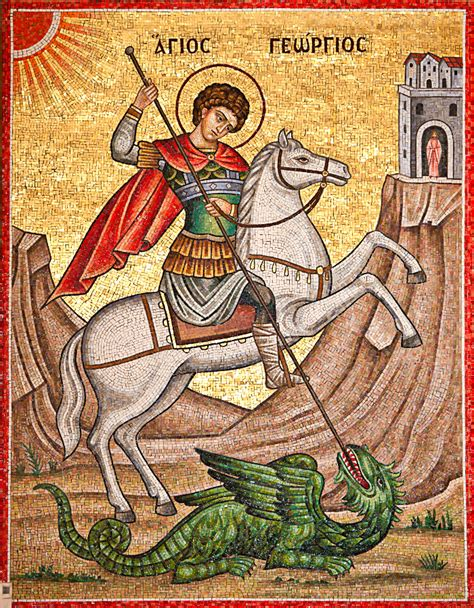
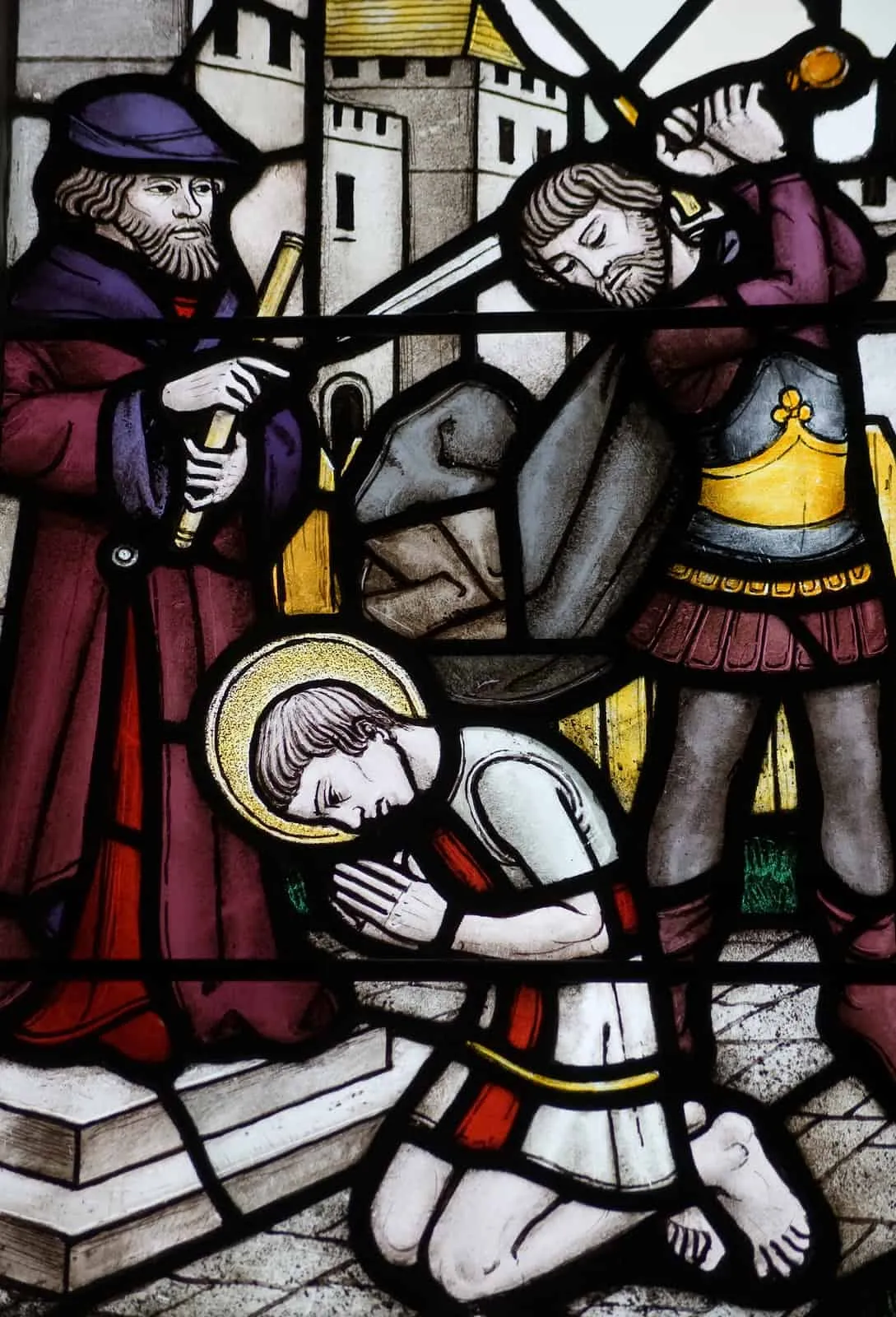
The icons show him as a soldier, and usually on horseback, killing a dragon while a princess looks on from a distance. What we can glean from the legends is that he was a popular officer in the Roman army in the early 4th century. When an edict of Emperor Diocletian ordered the persecution of Christians and that soldiers sacrifice to the gods and the statue of the emperor, George apparently refused. Because he was so well-liked, the judges subjected him to terrible tortures to force him to yield and to frighten the Christian troops, but he would not give up his faith in Christ and was finally beheaded on April 23, in the year 303.
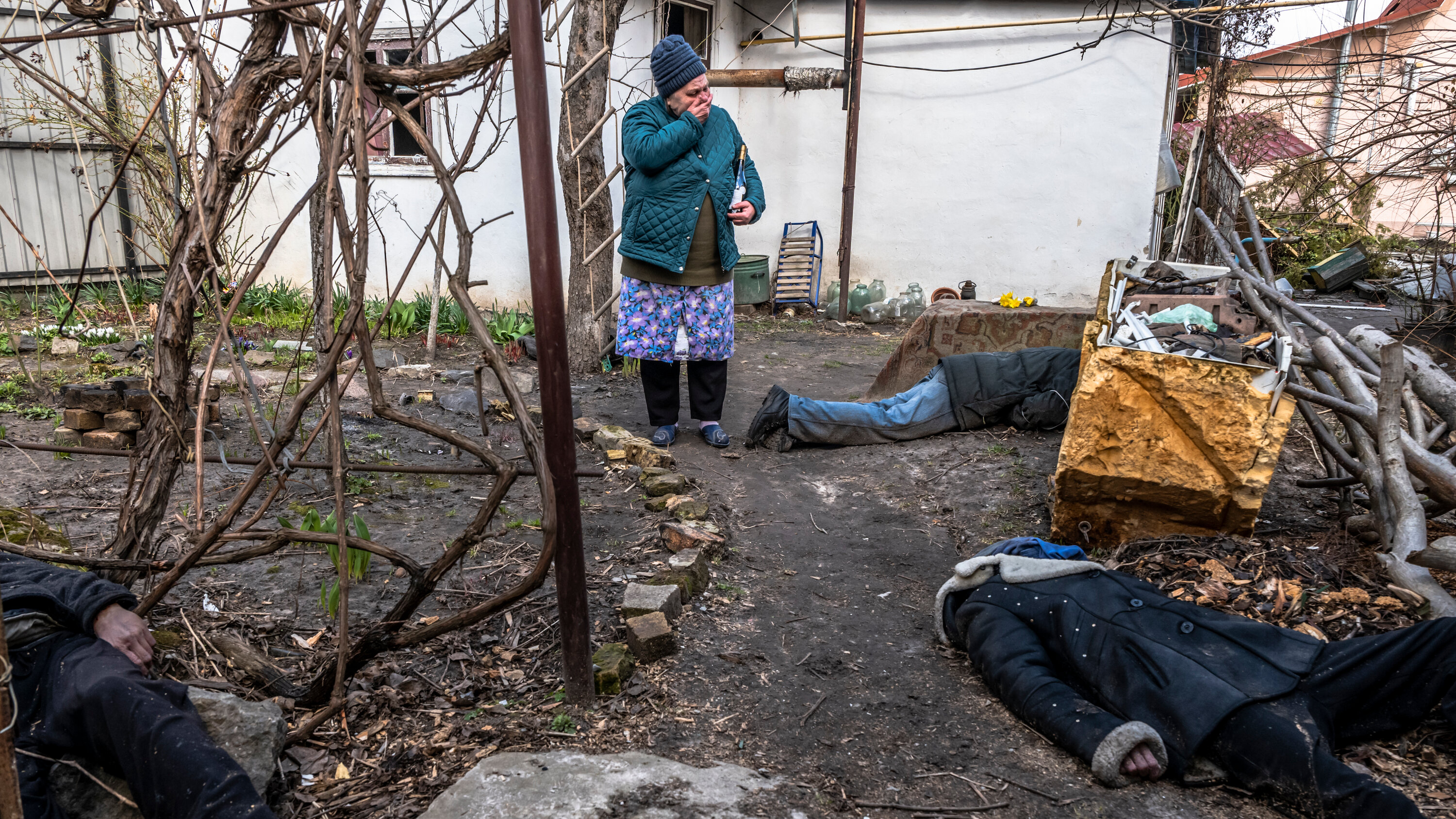
As for the icon, the point is that he battled the devil, symbolized by the dragon, and saved the Christian Church, symbolized by the princess whose name is shown as Ecclesia, or Church. The white horse symbolizes God’s grace carrying him to the heroism of martyrdom. The qualities of George have been invoked ever since as a model for officers in the military: to be faithful to God, to treat soldiers well, and to do one’s duty but never to break with one’s well-formed conscience. Therefore, the truly good soldier is supposed to stand firm for what is right according to the moral law. It is tragic and ironic that the Russian soldiers who are blessed by the Russian patriarch of Moscow in the name of St George and other military saints have been accused of such awful atrocities.
So, what does this feast day have to say to us? Those who persecute the Church always think that violence, murder, robbery, and torture will destroy the faith of Christians. But the Church always goes on. Diocletian’s palace is in ruins, but pilgrims still visit the elaborate tomb of Saint George in Israel. When a French priest opened a church in Nagasaki, Japan, in 1865 he was astonished to be greeted by people who had kept the faith since 1683. When the Greek Catholic Church was legalized in the Soviet Union, the secret police assured Gorbachev that there were no more than a few thousand faithful in the Transcarpathian Oblast, but instead 300,000 came forward. There are always laypeople, clergy, and monastics who will refuse to give in to pagans, atheists, Muslims, or whoever is in power and thinks they can either control the Church of Christ or completely obliterate it.
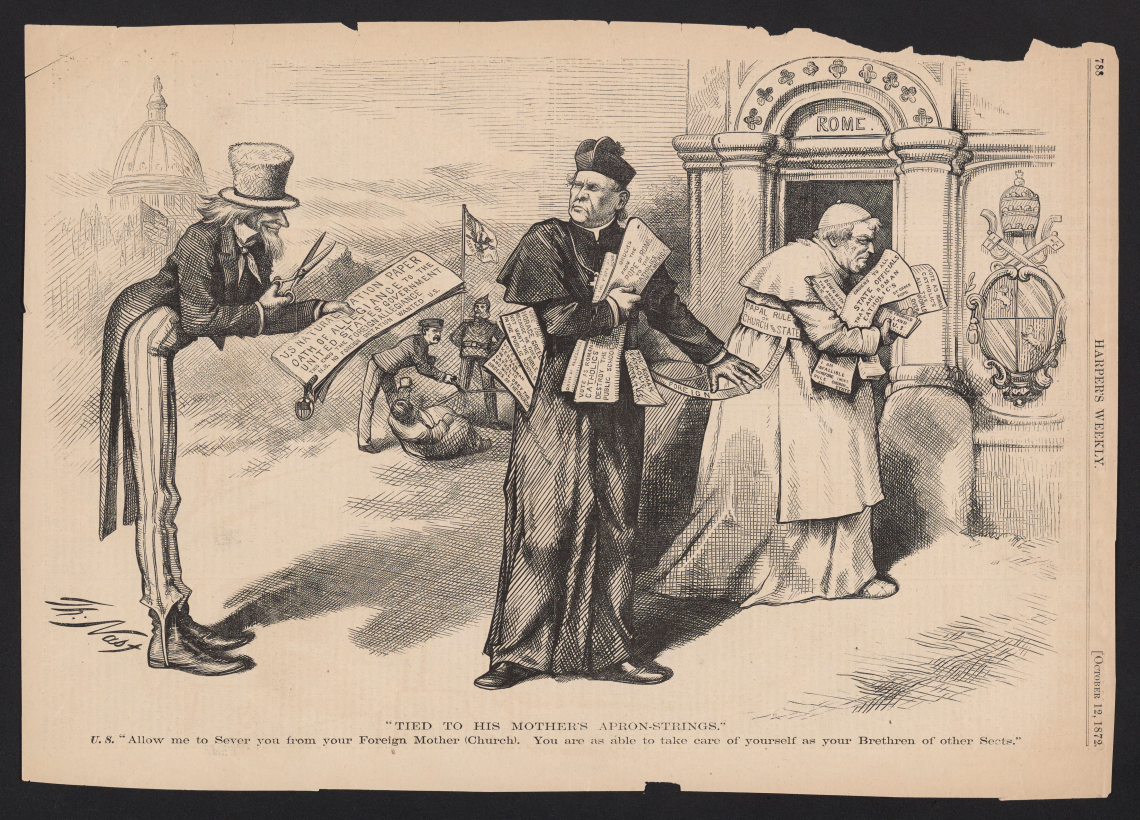
We may not face torture and loss of property, but we do face a culture that has grown more hostile to God, more hostile to Jesus Christ. This country has a long history of being anti-Catholic, going back to the Puritans, as shown in the 1872 cartoon above, and it’s not so long ago that a Protestant Establishment dominated much of the political and economic leadership in America. The more that the Catholic Church proclaims ancient truths, the more hostility we as faithful believers who uphold those truths will encounter from some secular-minded people.
Soldiers in democratic societies are bound to a moral code of conduct, and officers are bound to exercise good leadership that both takes care of their troops, is not morally objectionable, and fulfills the mission. Our code of conduct is found in the Catechism, and we are each called to exercise good leadership as baptized members of the Body of Christ. May St George, and all of the great martyrs, pray for us that we will never forsake Christ and His Church, and that we will fulfill the mission entrusted to us at Baptism: to lead lives that will take us home to heaven, and to bring other souls along with us on the journey to God.
 Father Christopher Zugger
Leave a comment